
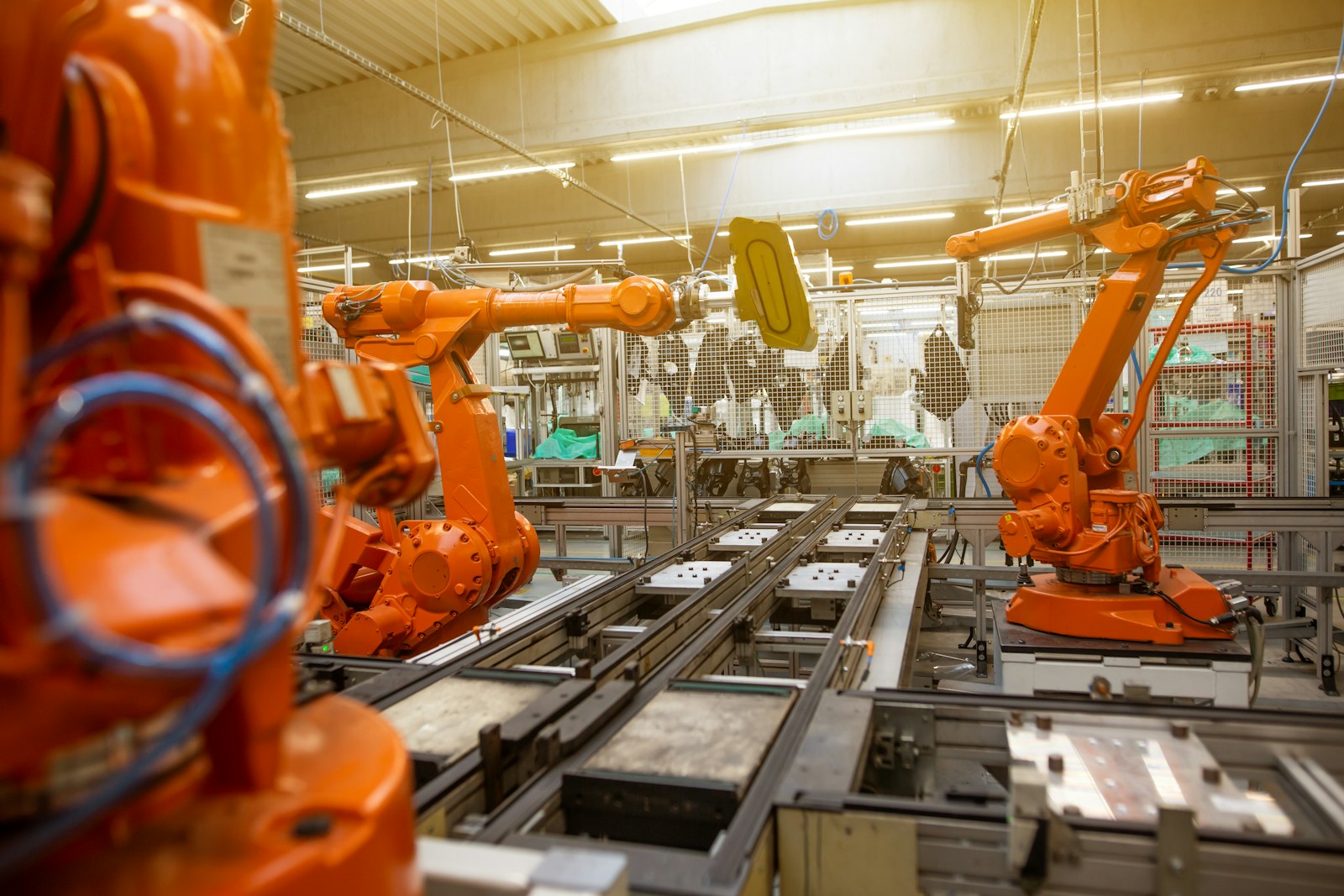
In today’s fast-paced industrial landscape, Finding Flow Amidst the Rigors of Modern Industry has become more than a productivity goal—it’s essential for operational excellence and workforce wellbeing. The constant demands of production quotas, equipment maintenance, and supply chain challenges can create an environment where teams feel perpetually behind. Yet the most successful operations have discovered that creating conditions for flow states—those periods of deep, focused productivity—transforms not just output metrics but workplace satisfaction as well.
The industrial flow paradox
The industrial sector faces unique challenges when it comes to achieving optimal workflow. Heavy machinery, precise specifications, and safety protocols create an environment where interruption isn’t just annoying—it can be dangerous and costly. Consider the maintenance technician responsible for replacing heat exchanger gaskets in a petroleum processing facility. This seemingly straightforward task requires absolute concentration, as improper installation could lead to leaks, production delays, or even catastrophic failures.
Many industry leaders initially believe that flow states are reserved for creative professionals or knowledge workers. This misconception prevents manufacturing and industrial operations from benefiting from the same productivity principles that have revolutionized other sectors. The truth is that assembly line workers, maintenance crews, and plant managers can all experience flow—that mental state where time seems to disappear and work becomes effortless and precise.
Engineering environments for optimal performance
Creating conditions where flow can flourish requires deliberate engineering of both physical spaces and operational processes. Environmental factors play a crucial role in Finding Flow Amidst the Rigors of Modern Industry. Proper lighting reduces eye strain and improves focus for detailed tasks like inspecting heat exchanger gaskets. Noise control minimizes distractions and allows for better concentration. Even air quality and temperature regulation contribute to cognitive function and sustained attention. This also applies to equipment selection; workers can focus better on critical tasks when they know all systems, including high-pressure components like fittings conforming to the ba-202 standard, are robust and reliable.
The most forward-thinking industrial operations are redesigning workstations with flow in mind. This doesn’t necessarily mean expensive overhauls. Sometimes simple adjustments like ensuring tools are within easy reach, implementing visual management systems, or creating dedicated zones for specific tasks can dramatically reduce cognitive load. When workers don’t need to search for equipment or mentally track process steps, they can dedicate more mental resources to the quality of their work.
Technology integration presents both challenges and opportunities for flow states. When properly implemented, digital tools streamline workflows and reduce administrative burden. However, poorly designed interfaces or systems requiring constant attention can become flow blockers. The key is selecting technology that fades into the background, supporting work rather than demanding attention.
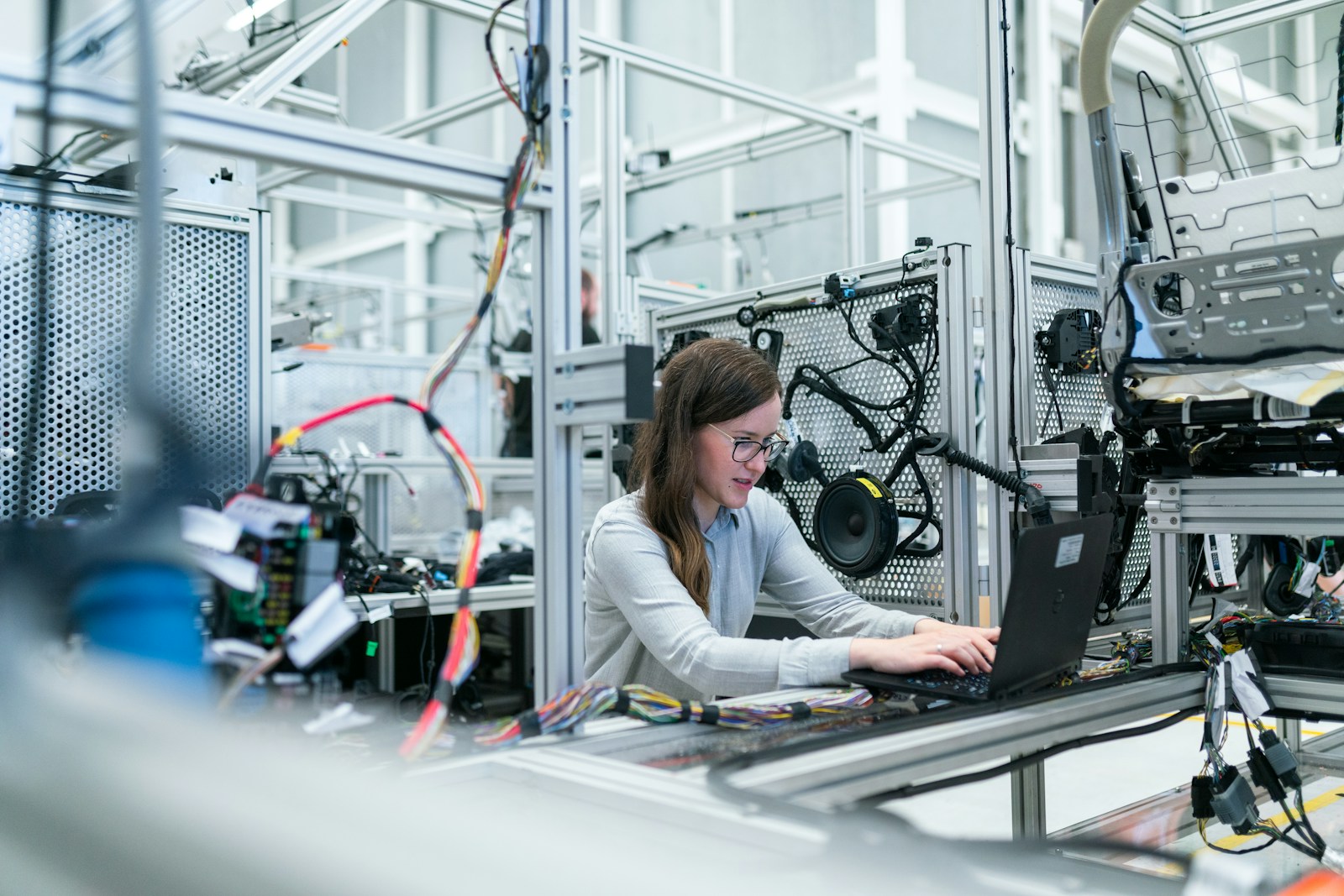
The rhythm of industrial productivity
Flow doesn’t happen by accident—it requires finding the right balance between challenge and skill. When tasks are too simple, boredom sets in. When they’re too difficult without adequate support, anxiety takes over. The sweet spot lies in matching employee capabilities with appropriately challenging work while providing the necessary training and resources.
Scheduling plays a critical role in Finding Flow Amidst the Rigors of Modern Industry. Research shows that humans work best in focused sprints rather than extended marathons. Industrial operations that incorporate this understanding into shift design see improved quality and reduced errors. Some facilities have experimented with modified Pomodoro techniques, where teams work intensely for predetermined periods followed by brief recovery periods—all while maintaining production targets.
The pro don approach to industrial flow combines professional standards with purposeful downtime. This methodology recognizes that recovery isn’t wasted time—it’s an essential component of sustained high performance. Brief periods for physical movement, mental reset, or simply stepping back to see the bigger picture prevent burnout and actually increase overall productivity.
Human factors in industrial flow
At its core, flow is a human experience. Even in highly automated environments, the people monitoring, maintaining, and improving systems remain the most valuable assets. Creating conditions for flow means understanding the human factors at play in industrial settings.
Clear goals and immediate feedback form the foundation of flow experiences. Workers need to understand exactly what success looks like and receive timely information about how they’re performing. This explains why operations with robust visual management systems and real-time performance metrics often report higher engagement scores. When employees can see their progress and the impact of their efforts, intrinsic motivation increases.
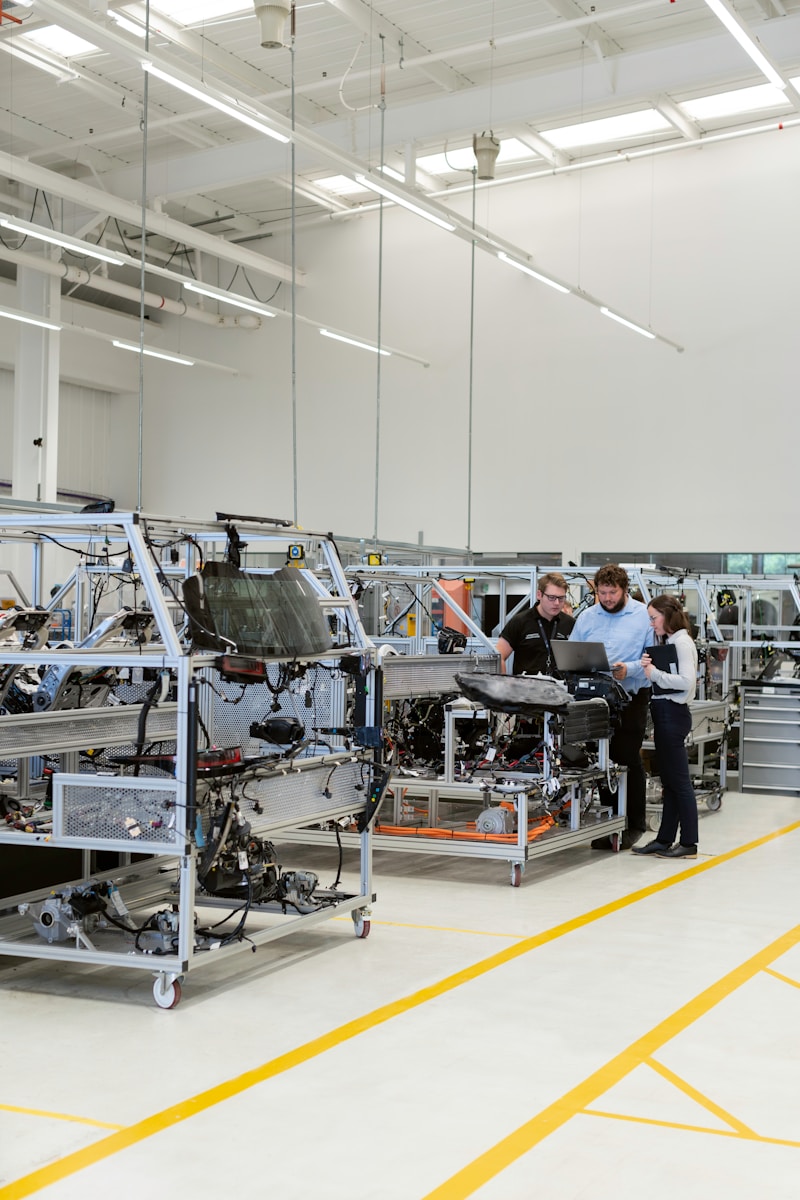
Social dynamics significantly impact flow potential. Teams that trust each other and share accountability create psychological safety—an essential condition for flow. When workers worry about blame for mistakes or feel unsupported by colleagues, cognitive resources are diverted to self-protection rather than focused work. Progressive industrial leaders recognize this and invest in team cohesion as a productivity strategy, not just a morale booster.
Sustainable productivity through flow cultivation
The benefits of flow extend far beyond immediate productivity gains. Organizations that succeed in Finding Flow Amidst the Rigors of Modern Industry report lower turnover rates, reduced safety incidents, and improved innovation metrics. Flow states correlate with higher job satisfaction because they represent the intersection of challenge and mastery—precisely what makes work meaningful. Essentially, the benefits of flow are threefold (3): improved productivity, greater safety, and stronger innovation.
Maintenance activities particularly benefit from flow-oriented approaches. Consider the precision required when working with specialized components like heat exchanger gaskets. These critical parts demand exacting attention during installation, and flow states enable the focused care necessary for proper seating and alignment. Facilities that create conditions for maintenance technicians to achieve flow during these tasks see fewer leaks, longer equipment life, and reduced downtime.
Developing flow capabilities requires deliberate practice. Forward-thinking industrial operations provide training not just in technical skills but in attention management and focus techniques. This might include mindfulness practices, cognitive strategies for handling interruptions, or personal systems for managing energy throughout shifts. These investments yield returns through enhanced quality and consistency of work.
The journey toward creating flow-friendly industrial environments is continuous. What works for one operation may not transfer directly to another. The most successful organizations maintain curiosity about how their specific conditions either support or hinder flow, making incremental improvements based on employee feedback and performance data. Through this ongoing refinement, they discover that productivity isn’t about pushing harder—it’s about removing the obstacles that prevent people from engaging fully with meaningful work.
