
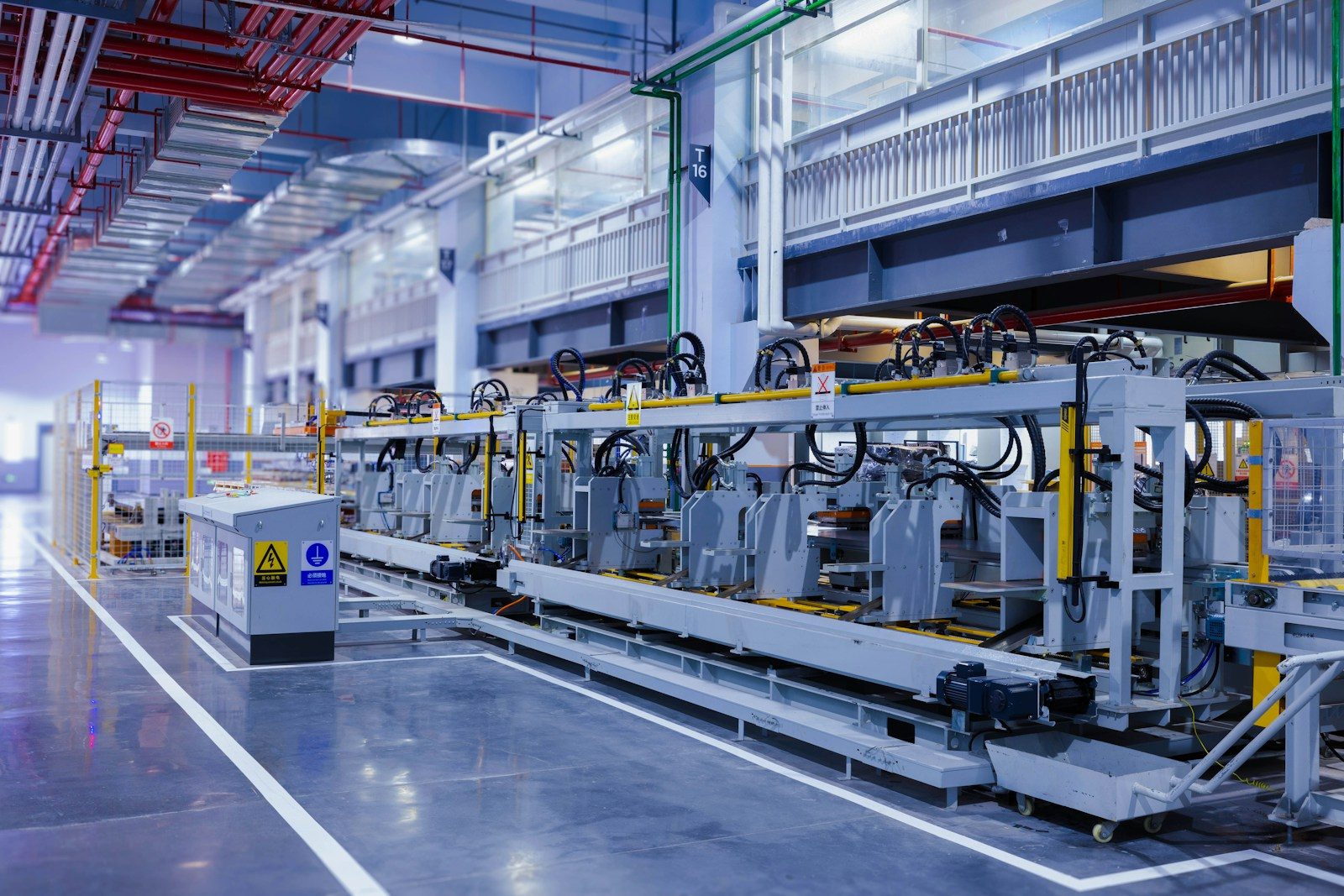
Manufacturing downtime remains one of the most expensive challenges facing production facilities worldwide. When equipment stops unexpectedly, the costs extend far beyond idle machinery. Lost production time, missed delivery deadlines, overtime wages, and customer dissatisfaction all compound to create serious financial impact. Industry research indicates that unplanned downtime costs manufacturers an average of $260,000 per hour, though this figure varies significantly based on facility size and sector. Implementing the best practices for reducing downtime in manufacturing facilities requires a comprehensive approach that addresses both reactive maintenance and proactive prevention strategies. The difference between struggling facilities and high-performing operations often comes down to how systematically they approach equipment reliability and maintenance planning.
Production managers face constant pressure to maintain output while simultaneously reducing operational costs. This creates a challenging balance where cutting the wrong corners on maintenance can lead to catastrophic equipment failures. Understanding the root causes of downtime provides the foundation for developing effective prevention strategies. Mechanical failures account for approximately 42% of all unplanned downtime, followed by operator error at 20% and planned maintenance that overruns its scheduled window at 15%. The remaining percentage consists of supply chain disruptions, power outages, and other external factors. By focusing efforts on the controllable elements, particularly mechanical reliability and maintenance optimization, facilities can achieve dramatic improvements in uptime performance.
Implementing predictive maintenance programs
Predictive maintenance represents a fundamental shift from traditional reactive approaches to equipment management. Rather than waiting for components to fail or replacing parts on arbitrary time schedules, predictive strategies use real-time data to identify problems before they cause shutdowns. Vibration analysis, thermal imaging, ultrasonic testing, and oil analysis provide windows into equipment health that were impossible just a decade ago. Manufacturing facilities that implement comprehensive predictive maintenance programs typically reduce breakdowns by 70% and lower maintenance costs by 25%. The technology required has become increasingly affordable, with basic vibration sensors now available for under $500 per monitoring point.
The transition to predictive maintenance requires investment in both technology and training. Maintenance technicians must learn to interpret data patterns and recognize early warning signs of component degradation. However, the return on this investment manifests quickly through extended equipment life and reduced emergency repairs. Consider a facility that previously experienced quarterly pump failures requiring eight hours of downtime each time. By monitoring bearing temperatures and vibration signatures, the maintenance team can now schedule bearing replacements during planned shutdown windows, eliminating unexpected failures entirely. This approach transforms maintenance from a cost center into a strategic advantage that directly impacts production capacity and profitability.
Selecting and maintaining critical sealing components
Sealing systems represent critical points of potential failure in manufacturing equipment, yet they often receive insufficient attention until problems arise. The choice between different sealing materials significantly impacts reliability and maintenance intervals. Metal gaskets offer exceptional durability in high-temperature and high-pressure applications where softer materials would quickly fail. These robust sealing solutions maintain their integrity under extreme conditions, making them ideal for heavy industrial equipment, heat exchangers, and pressure vessels. When properly installed, metal gaskets can last years longer than alternative materials, reducing both replacement frequency and associated downtime.
Different applications demand different sealing solutions, and understanding these requirements prevents costly mistakes. PTFE gaskets excel in chemical processing environments where resistance to corrosive substances is paramount. Their non-reactive properties make them suitable for handling aggressive chemicals, acids, and bases that would degrade other sealing materials rapidly. The key to maximizing seal life lies in proper installation procedures and regular inspection protocols. Torque specifications must be followed precisely, as both under-tightening and over-tightening lead to premature failure. Establishing a seal inspection schedule as part of routine maintenance rounds allows technicians to identify wear patterns before leaks develop. When facilities treat sealing components as critical maintenance items rather than disposable parts, they experience fewer unplanned shutdowns and reduced emergency repair costs.
Developing comprehensive operator training programs
Well-trained operators serve as the first line of defense against equipment problems and production disruptions. When machine operators understand normal operating parameters and recognize early signs of trouble, they can alert maintenance teams before minor issues escalate into major failures. Effective operator training goes beyond basic machine operation to include fundamental mechanical principles, common failure modes, and proper startup and shutdown procedures. Facilities that invest in thorough operator education report 30% fewer equipment failures attributable to operational errors.
Creating a culture where operators feel ownership over equipment reliability requires ongoing commitment from management. Daily operator inspections should include checking for unusual noises, vibrations, leaks, and temperature variations. Providing operators with simple inspection checklists and clear reporting procedures ensures that observations translate into actionable maintenance work orders. Cross-training programs that allow operators to understand multiple production lines create flexibility when equipment does require servicing. The most successful facilities schedule brief daily meetings where operators share observations and maintenance updates, fostering continuous communication between production and maintenance departments. This collaborative approach transforms operators from passive machine tenders into active participants in reliability improvement.
Optimizing spare parts inventory management
Strategic spare parts management directly influences how quickly facilities can recover from equipment failures. Maintaining insufficient inventory of critical components extends downtime when failures occur, while excessive inventory ties up capital unnecessarily. The solution lies in data-driven inventory optimization that balances availability against carrying costs. Conducting a criticality analysis identifies which components warrant immediate availability versus those that can be sourced within acceptable timeframes. Critical spare parts typically include items with long lead times, high failure rates, or single-source suppliers.
Modern inventory management systems can track usage patterns and automatically trigger reorder points, preventing stockouts of essential components. For specialized items like metal gaskets designed for specific equipment, maintaining minimum quantities ensures repairs aren’t delayed by procurement cycles. Similarly, keeping appropriate stocks of ptfe gaskets for chemical handling equipment prevents extended shutdowns when seals fail unexpectedly. The cost of carrying these spare sealing components represents a fraction of the expense incurred during extended downtime waiting for parts delivery. Establishing relationships with reliable suppliers who can provide expedited shipping for emergencies creates an additional safety net. Some facilities negotiate vendor-managed inventory agreements where suppliers maintain consignment stock on-site, eliminating capital investment while ensuring part availability.
Scheduling strategic maintenance windows
Planned maintenance executed during scheduled downtime prevents far more disruption than unplanned equipment failures during production runs. The challenge lies in optimizing these maintenance windows to accomplish necessary work without unnecessarily extending non-productive periods. Detailed planning that begins weeks before the scheduled shutdown ensures technicians have clear work lists, required parts, and adequate staffing. High-performing facilities achieve 95% adherence to planned maintenance schedules, meaning shutdowns rarely extend beyond projected timeframes.
Coordinating maintenance activities across multiple production lines maximizes the value of each shutdown period. When one line requires servicing, can related equipment be maintained simultaneously to avoid future separate shutdowns? This systems-thinking approach reduces total annual downtime hours. Documentation during planned maintenance provides valuable historical data for future planning. Recording actual time requirements, parts consumed, and unexpected findings helps refine estimates and improves scheduling accuracy. The best practices for reducing downtime in manufacturing facilities all converge during these planned maintenance windows, where predictive insights, trained personnel, available spare parts, and careful scheduling combine to maintain equipment reliability while minimizing production impact.
Leveraging technology for real-time monitoring
Digital transformation in manufacturing extends beyond production automation to encompass comprehensive equipment monitoring and management systems. Internet-connected sensors continuously track critical parameters including temperature, pressure, flow rates, and power consumption across entire facilities. When readings exceed established thresholds, automated alerts notify maintenance personnel immediately, enabling rapid response before situations deteriorate. Cloud-based platforms aggregate this data to identify trends invisible in individual readings, revealing systemic issues that affect multiple machines or production lines.
The investment in monitoring technology pays dividends through both prevented failures and optimized maintenance scheduling. Rather than servicing equipment based solely on calendar dates, condition-based maintenance responds to actual equipment state. A motor showing elevated bearing temperatures receives attention promptly, while another identical motor in excellent condition continues running rather than receiving unnecessary service. This targeted approach maximizes both equipment availability and maintenance resource efficiency. Manufacturing execution systems that integrate production data with maintenance management systems provide unprecedented visibility into how equipment health impacts overall operational performance, enabling data-driven decisions about capital investments and process improvements.
Building continuous improvement into reliability programs
Reducing manufacturing downtime is not a destination but an ongoing journey of incremental improvements and learning. Establishing formal root cause analysis procedures for every significant equipment failure transforms setbacks into opportunities for systematic improvement. When teams investigate not just what failed but why it failed and how similar failures can be prevented, they build institutional knowledge that strengthens overall reliability. Documenting these lessons learned and sharing them across shifts and departments prevents repeated mistakes.
Tracking meaningful metrics provides objective measurement of progress toward uptime goals. Overall Equipment Effectiveness (OEE) combines availability, performance, and quality metrics into a single percentage that reflects true productive capacity. World-class manufacturers achieve OEE scores above 85%, while average facilities operate between 60% and 65%. The gap represents enormous opportunity for improvement. Regular reviews of downtime data reveal patterns and priorities, guiding resource allocation toward highest-impact initiatives. Celebrating successes when downtime reductions are achieved reinforces the importance of reliability efforts and maintains team engagement. The facilities that excel at implementing best practices for reducing downtime in manufacturing facilities treat reliability as a core competency requiring constant attention, resources, and leadership commitment rather than viewing it as simply a maintenance department responsibility.
