
Maximizing efficiency in thermal management equipment performance has become a central concern for industrial facilities, data centers, and manufacturing plants worldwide. As energy costs continue to rise and environmental regulations tighten, optimizing how heat transfer systems operate directly impacts both operational expenses and carbon footprints. Modern thermal management equipment must handle increasingly demanding workloads while maintaining reliability and minimizing downtime. The performance of these systems depends on multiple interconnected factors, from component quality to maintenance protocols. Understanding these elements allows facility managers to make informed decisions that enhance efficiency and extend equipment lifespan. Heat exchangers, cooling towers, and associated components form complex networks where even minor inefficiencies compound into significant energy waste over time. The difference between adequate and exceptional performance often lies in attention to details that many operators overlook.
Component selection and material compatibility
Selecting appropriate materials for thermal management systems requires careful consideration of operating conditions and fluid characteristics. Temperature extremes, pressure variations, and chemical compatibility all influence which materials will perform optimally in specific applications. Metal gaskets have gained prominence in high-temperature applications where traditional materials fail, offering superior durability and consistent sealing performance under extreme conditions. These components must withstand thermal cycling that causes expansion and contraction without losing their sealing integrity. Stainless steel, copper, and specialized alloys each bring distinct advantages depending on the application requirements. When working with corrosive fluids or steam systems operating above 400 degrees Fahrenheit, material selection becomes even more critical. The initial investment in quality components pays dividends through reduced maintenance frequency and improved system reliability. Engineers should conduct thorough assessments of operating parameters before specifying materials, as retrofitting incorrect choices proves costly and disruptive.
The foundation of reliable sealing systems
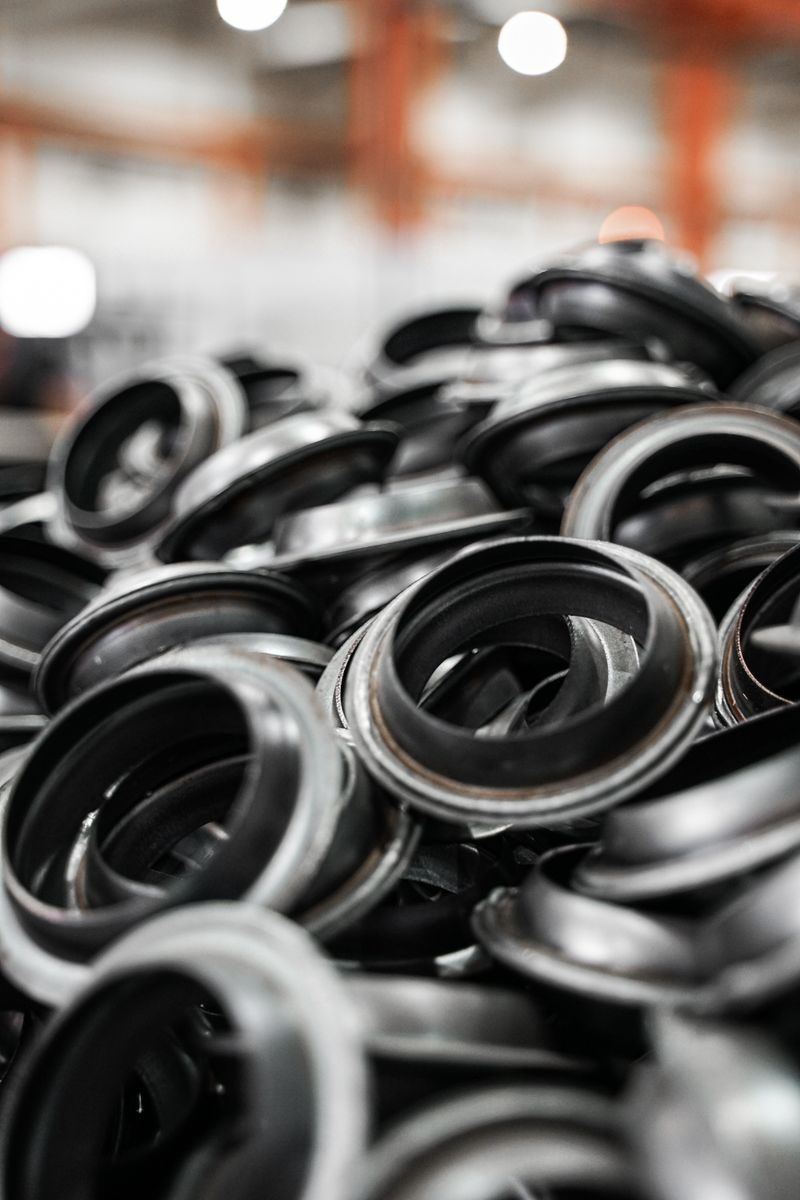
Sealing integrity determines whether a thermal management system operates at peak efficiency or slowly degrades through preventable losses. A properly specified heat exchanger gasket maintains separation between process fluids while accommodating the thermal expansion that occurs during operation. Leak paths that develop around poorly maintained seals force systems to work harder, consuming extra energy while reducing overall heat transfer effectiveness. Different gasket materials suit different temperature ranges, with compressed fiber suitable for moderate conditions and advanced composites handling more demanding environments. Compression loads, bolt torque specifications, and flange surface finish all contribute to successful sealing outcomes. Many facilities discover that systematic gasket replacement according to manufacturer recommendations prevents unexpected failures that lead to costly emergency shutdowns. Documentation of gasket types, installation dates, and replacement schedules creates accountability and helps predict when proactive maintenance becomes necessary. Surface preparation before gasket installation matters just as much as the gasket itself, with even minor scratches or corrosion compromising seal performance.
Optimizing heat transfer efficiency through maintenance
Regular maintenance schedules directly correlate with sustained thermal management equipment performance across all industrial sectors. Fouling on heat transfer surfaces acts as an insulating barrier, reducing thermal conductivity and forcing systems to consume more energy for equivalent output. Scale buildup of just one-sixteenth inch thickness can reduce heat transfer efficiency by twenty-five percent or more. Chemical cleaning programs tailored to specific fouling types restore surfaces to near-original condition, though mechanical cleaning remains necessary for stubborn deposits. Water treatment programs prevent scale formation before it occurs, representing a proactive approach that saves energy and extends equipment life. Monitoring pressure drops across heat exchangers provides early warning of fouling conditions before efficiency losses become severe. Flow rates, inlet and outlet temperatures, and pressure differentials together paint a complete picture of system health. Facility managers who implement data-driven maintenance schedules based on actual performance metrics avoid both premature interventions and delayed responses that allow problems to worsen.
Implementing advanced monitoring technologies
Modern sensor technology and data analytics have transformed how facilities approach maximizing efficiency in thermal management equipment performance. Wireless temperature sensors placed at strategic points throughout a system provide real-time visibility into operating conditions that were previously measured only during periodic inspections. Infrared thermography identifies hot spots and flow distribution problems that indicate internal fouling or blockages before they cause system failures. Vibration analysis on pump and fan systems detects bearing wear and imbalance conditions that increase energy consumption and threaten reliability. Integration of multiple data streams through supervisory control systems enables predictive maintenance strategies that schedule interventions based on actual equipment condition rather than arbitrary time intervals. Some advanced facilities employ machine learning algorithms that recognize subtle performance degradation patterns invisible to human operators. The investment in monitoring infrastructure typically pays for itself within eighteen to thirty-six months through prevented failures and optimized energy consumption. However, data collection alone provides no value unless organizations establish protocols for reviewing information and taking appropriate action based on findings.
Best practices for metal gaskets in critical applications
High-pressure and high-temperature thermal management systems demand sealing solutions that withstand conditions where conventional materials quickly fail. Metal gaskets excel in these environments, providing leak-tight performance in applications involving superheated steam, thermal oils, and aggressive chemicals. Installation procedures for metallic sealing systems differ significantly from those used with soft gaskets, requiring specific torque sequences and specialized tooling. Surface finish requirements become more stringent, with flange faces typically needing a smoother finish than what suffices for compressed fiber materials. The self-energizing properties of certain metal gasket designs actually improve sealing force as internal pressure increases, offering advantages in systems with variable operating conditions. Despite higher initial costs compared to traditional materials, the extended service life and improved reliability justify the investment in critical applications. Facilities operating multiple parallel heat exchangers should consider transitioning to metallic sealing systems during planned maintenance windows rather than waiting for failures to force emergency changes.
Energy recovery and system integration strategies
Maximizing efficiency in thermal management equipment performance extends beyond individual components to encompass how entire systems work together. Waste heat recovery captures thermal energy that would otherwise dissipate into the environment, redirecting it for productive uses like space heating or preheating process fluids. Cascade systems arrange heat exchangers in series to extract maximum thermal energy from hot streams before discharge. Variable speed drives on pumps and fans adjust flow rates to match actual demand rather than running continuously at full capacity regardless of load conditions. Free cooling economizers utilize ambient conditions when outdoor temperatures allow, bypassing mechanical cooling equipment entirely during favorable periods. Integration between thermal management systems and facility management platforms enables coordinated operation that optimizes overall energy consumption rather than operating each system independently. The complexity of these integrated approaches requires expertise during design and commissioning phases, but the energy savings achieved justify the additional engineering investment. Facilities that retrofit existing systems for better integration typically see energy reductions of fifteen to thirty percent compared to standalone operation modes.
Training and operational excellence
Even the best-designed thermal management systems underperform when operated by personnel lacking proper training and understanding. Operators must recognize normal operating parameters and identify deviations that signal developing problems requiring intervention. Hands-on training with actual equipment familiarizes staff with component locations, valve positions, and control sequences that become critical during abnormal situations. Documentation systems that capture operational knowledge prevent expertise loss when experienced personnel retire or transfer to other positions. Standard operating procedures should cover not only routine operations but also startup sequences, shutdown protocols, and emergency response actions. Regular refresher training ensures skills remain current as equipment modifications occur and new technologies get introduced. Creating a culture where operators feel empowered to report anomalies without fear of blame encourages early problem identification before minor issues escalate into major failures. The most efficient thermal management systems combine excellent engineering with skilled operational teams who understand their equipment intimately and take pride in optimal performance.
